


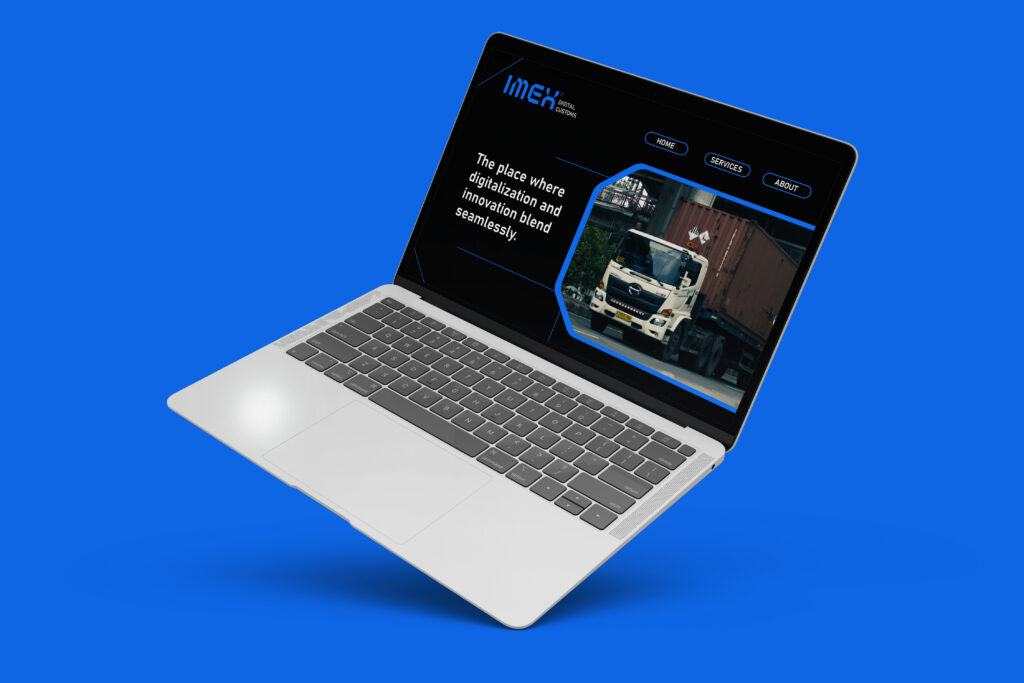
How AI is Revolutionizing Customs Clearance
International trade is moving faster than ever, yet for decades, customs procedures have lagged behind—bogged down by paperwork, red tape, and slow manual processes. Today, that is changing.Artificial Intelligence (AI) is no longer just a futuristic buzzword; it has become the backbone of modern customs. From the ports of Rotterdam to border crossings in Asia, AI is redefining how goods move across borders, replacing human intuition with data precision.But what does this mean specifically for businesses and importers?
Document Automation: The End of Manual Data Entry 📄➡️💻
One of the biggest barriers in customs is the processing of commercial invoices, packing lists, and certificates. How AI Helps: Advanced algorithms (like those we use at IMEX) can “read” scanned documents, extract critical data, and populate customs declarations in seconds, not hours. This eliminates the human errors that often lead to costly fines.
Intelligent Tariff Classification (HS Codes) 📦
Determining the correct tariff code is essential for paying the right taxes. A wrong code can mean either overpayment or penalties for non-compliance. How AI Helps: AI systems analyze product descriptions and automatically suggest the correct HS Code based on millions of past cases and current global regulations.
Risk Prediction and Security 🛡️
Customs authorities worldwide are using AI to scan shipments for potential risks before they physically arrive. How AI Helps: Instead of inspecting every truck, AI identifies high-risk shipments, allowing legitimate trade (and compliant companies) to pass through “green lanes” without delays.
Supply Chain Optimization 🚚
Terminal delays cost money. AI helps predict clearance times, allowing companies to plan their logistics with pinpoint accuracy.
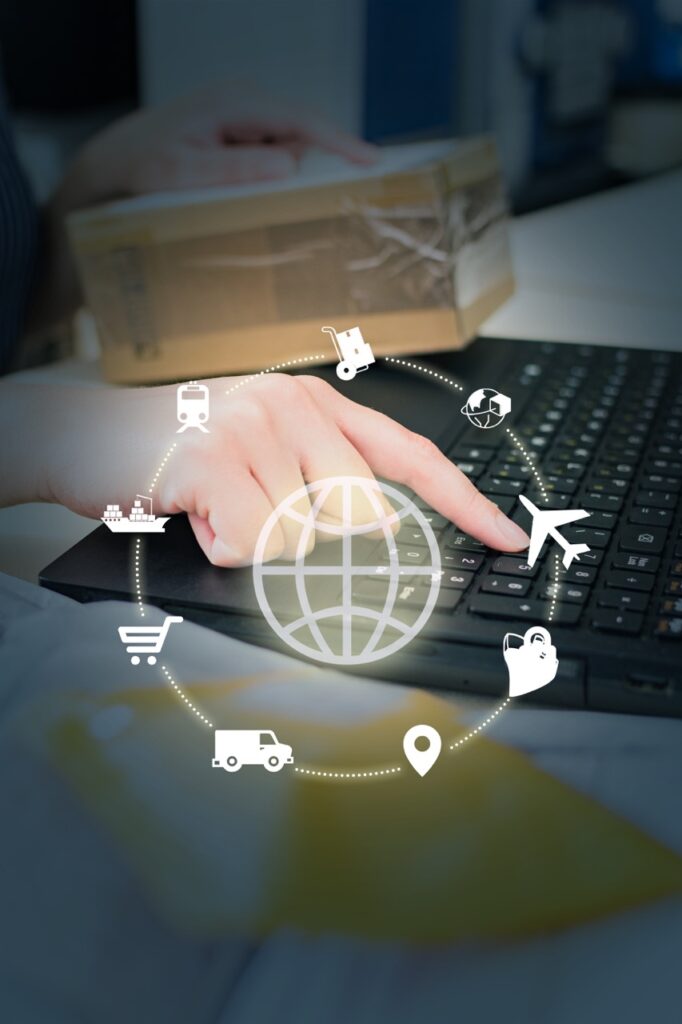
The result is a faster, more accurate customs clearance process that minimizes delays and keeps cargo moving smoothly across borders. In addition to time savings, Customs AI enhances visibility by providing real-time updates on the status of shipments, allowing businesses to proactively manage their supply chains.